Engineering notes · Published on LinkedIn
“Wouldn’t it be quicker to rewrite this from scratch?”
I caught myself thinking that again. Once again, the answer was no. Building an app through vibe coding brought that home. Whether a human or AI wrote the code, refactoring still takes time, costs money and has side effects.
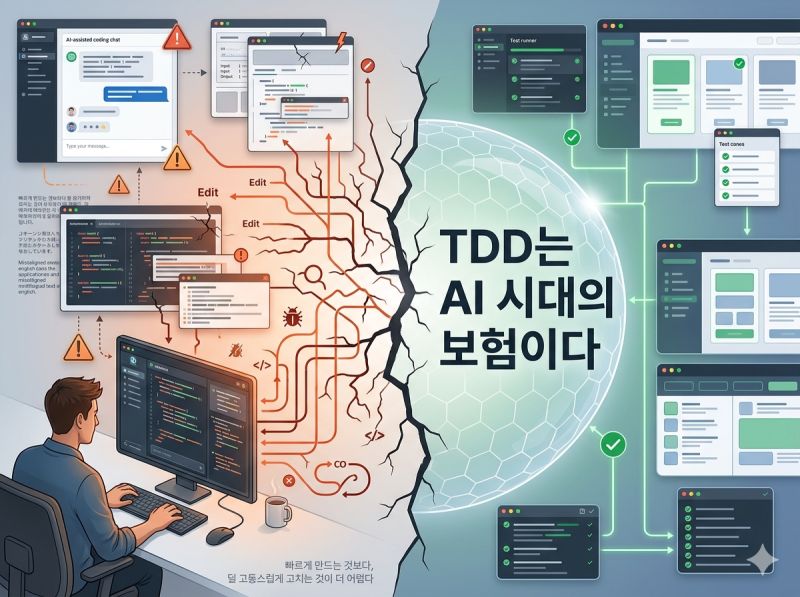
“Wouldn’t it be quicker to rewrite this from scratch?”
I caught myself thinking that again. Once again, the answer was no. Building an app through vibe coding brought that home. Whether a human or AI wrote the code, refactoring still takes time, costs money and has side effects.
I started without settling the initial design direction. When I changed course, technical debt piled up fast. Now I’m paying for it. I fixed internationalization and broke screen rendering. Fix that and another case turns up. What looks like one change ends up touching the whole system.
So I considered a rewrite. But once the codebase is large enough, starting over is neither faster nor safer. Miss something and you meet the same problem again.
The interesting part is how little AI changes this. AI can create and edit the code; the costs of poor structure and missing tests remain. We’re building faster, but refactoring itself hasn’t become cheaper.
My takeaway: reducing how often you need a refactor matters more than getting good at refactoring. Be tenacious about initial design. Plan your tests first. Build for change. In practice I’ve often left tests until later; with vibe coding, I’m starting to think TDD should be close to the default.
Almost anyone can build quickly now. Making changes less painful is still a skill. And if the project never changes direction? That’s luck.
#VibeCoding #TDD #SoftwareArchitecture
All essays